This is the multi-page printable view of this section. Click here to print.
Feature Engineering
1 - Data Pre Processing
Messy and Incomplete.
We need to pre-process the data to make it:
- Clean
- Consistent
- Mathematically valid
- Computationally stable
👉 So that, the machine learning algorithm can safely consume the data.
- Missing Completely At Random (MCAR)
- The missingness occurs entirely by chance, such as due to a technical glitch during data collection or a random human error in data entry.
- Missing At Random (MAR)
- The probability of missingness depends on the observed data and not on the missing value itself.
- e.g. In some survey, the age of many females are missing, because they may not like to disclose the information.
- Missing Not At Random (MNAR)
- The probability of missingness is directly related to the unobserved missing value itself.
- e.g. Individuals with very high incomes 💰may intentionally refuse to report their salary due to privacy concerns, making the missing data directly dependent on the high income 💰value itself.
- Simple Imputation:
- Mean: Normally distributed numerical features.
- Median: Skewed numerical features.
- Mode: Categorical features, most frequent.
- KNN Imputation:
- Replace the missing value with mean/median/mode of ‘k’ nearest (similar) neighbors of the missing value.
- Predictive Imputation:
- Use another ML model to estimate missing values.
- Multivariate Imputation by Chained Equations (MICE):
- Iteratively models each variable with missing values as a function of other variables using flexible regression models (linear regression, logistic regression, etc.) in a ‘chained’ or sequential process.
- Creates multiple datasets, using slightly different random starting points.
🦄 Outliers are extreme or unusual data points, can mislead models, causing inaccurate predictions.
- Remove invalid or corrupted data.
- Replace (Impute): Median or capped value to reduce impact.
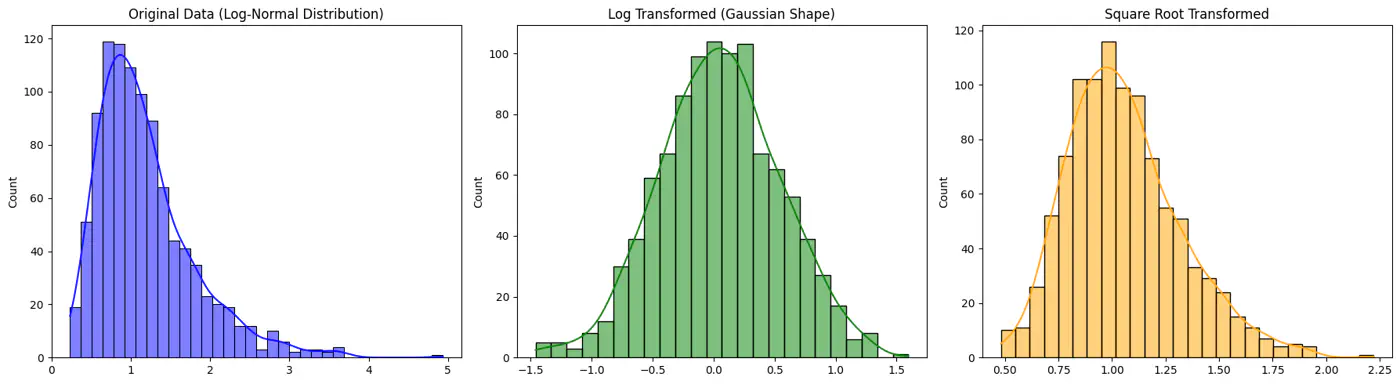
- Transform: Apply log or square root to reduce skew.
👉 For example: Log and Square Root Transformed Data
💡 If one feature ranges from 0-1 and another from 0-1000, larger feature will dominate the model.
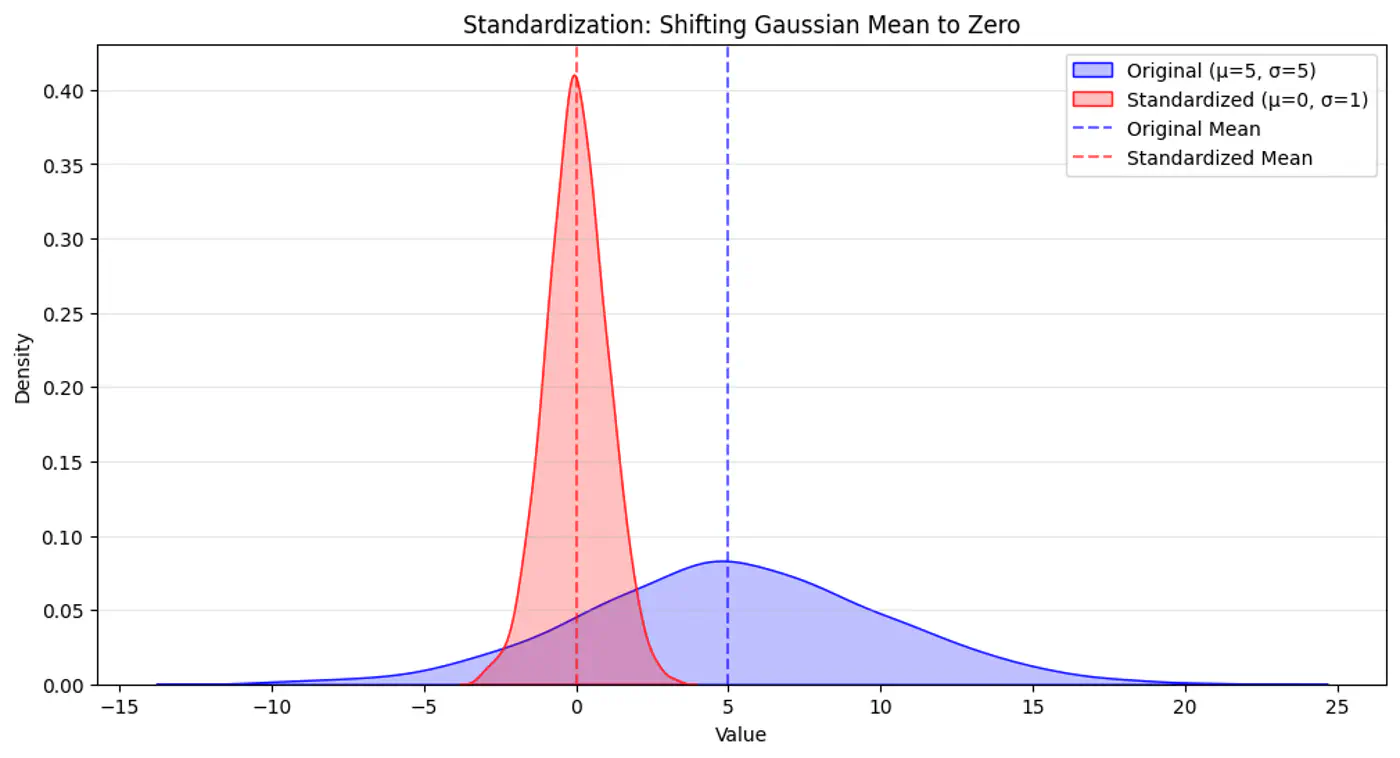
- Standardization (Z-score) :
- μ=0, σ=1; less sensitive to outliers.
- \(x_{std} = (x − μ) / σ\)
- Min-Max Normalization:
- Maps data to specific range, typically [0,1]; sensitive to outliers.
- \(x_{minmax} = (x − min) / (max − min)\)
- Robust Scaling:
- Transforms features using median and IQR; resilient to outliers.
- \(x_{scaled}=(x-\text{median})/\text{IQR}\)
👉 Standardization Example
End of Section
2 - Categorical Variables
💡 ML models operate on numerical vectors.
👉 Categorical variables must be transformed (encoded) while preserving information and semantics.
- One Hot Encoding (OHE)
- Label Encoding
- Ordinal Encoding
- Frequency/Count Encoding
- Target Encoding
- Hash Encoding
⭐️ When the categorical data (nominal) is without any inherent ordering.
- Create binary columns per category.
- e.g.: Colors: Red, Blue, Green.
- Colors: [1,0,0], [0,1,0], [0,0,1]
Note: Use when low cardinality, or small number of unique values (<20).
⭐️ Assigns a unique integer (e.g., 0, 1, 2) to each category.
- When to use ?
- Target variable, i.e, unordered (nominal) data, in classification problems.
- e.g. encoding a city [“Paris”, “Tokyo”, “Amsterdam”] -> [1, 2, 0], (Alphabetical: Amsterdam=0, Paris=1, Tokyo=2).
- When to avoid ?
- For nominal data in linear models, because it can mislead the model to assume an order/hierarchy, when there is none.
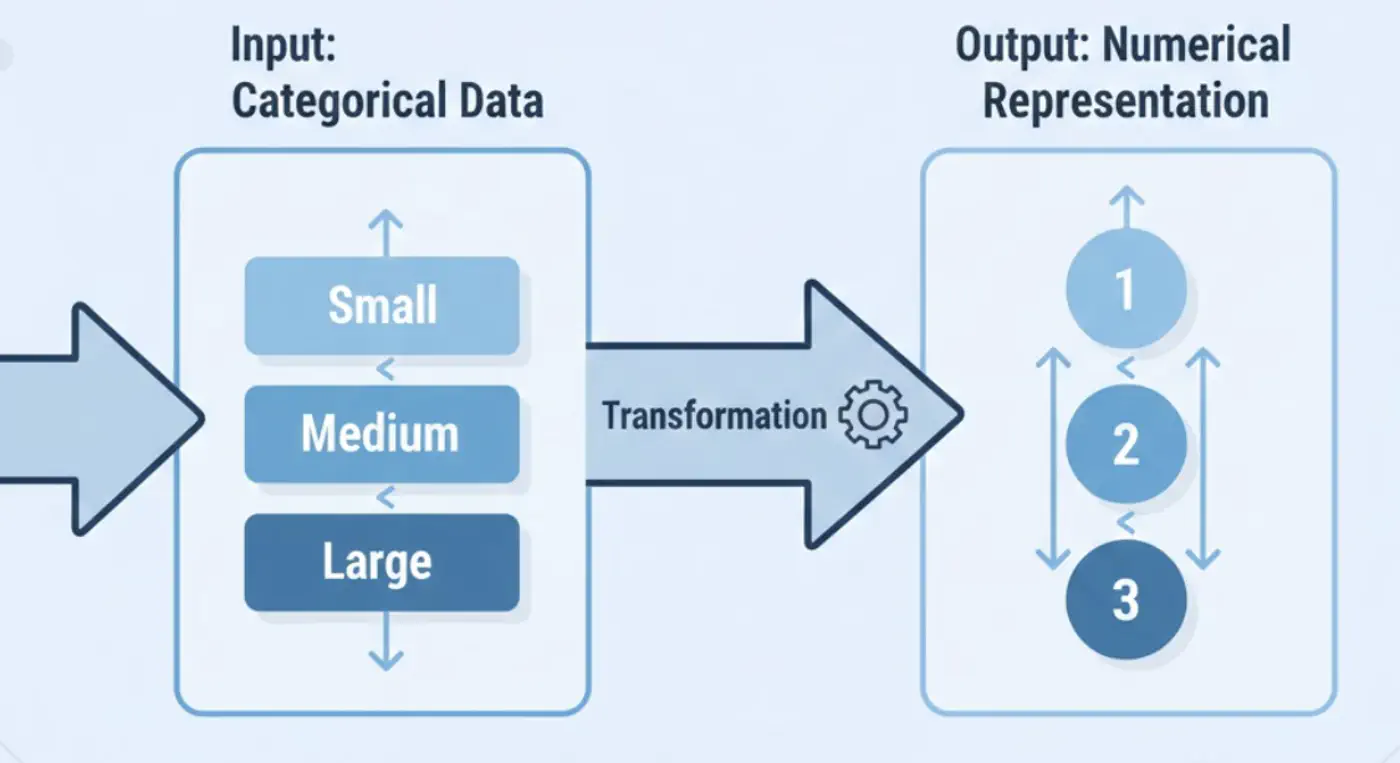
⭐️ When categorical data has logical ordering.
Best for: Ordered (ordinal) input features.
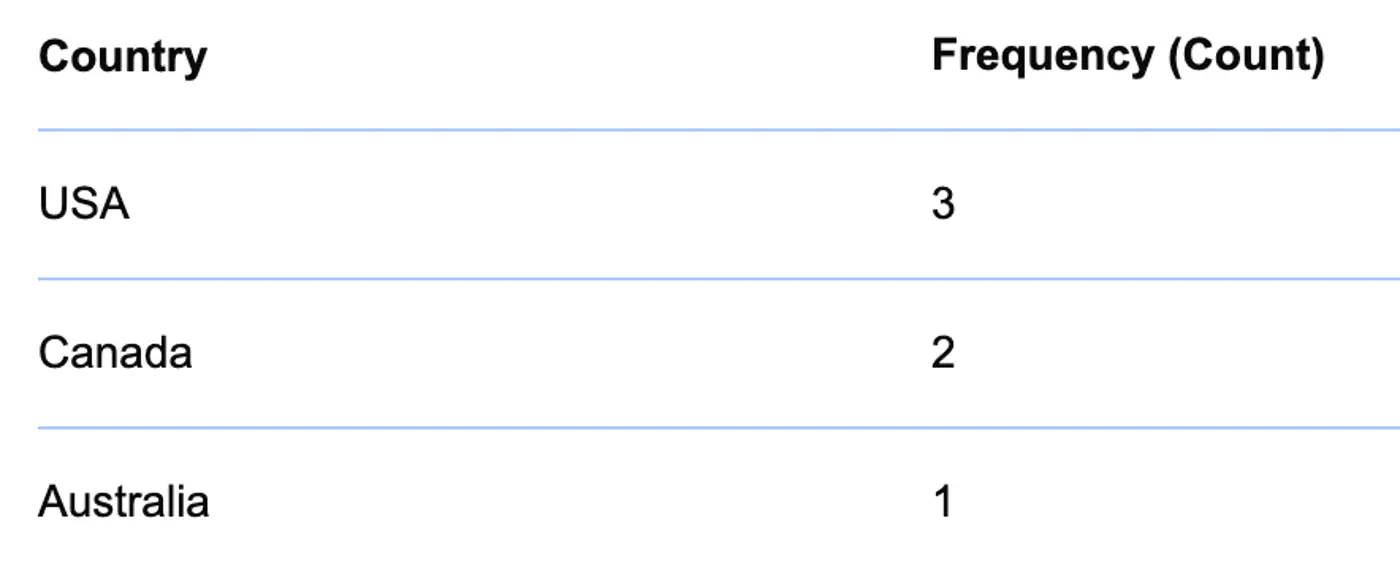
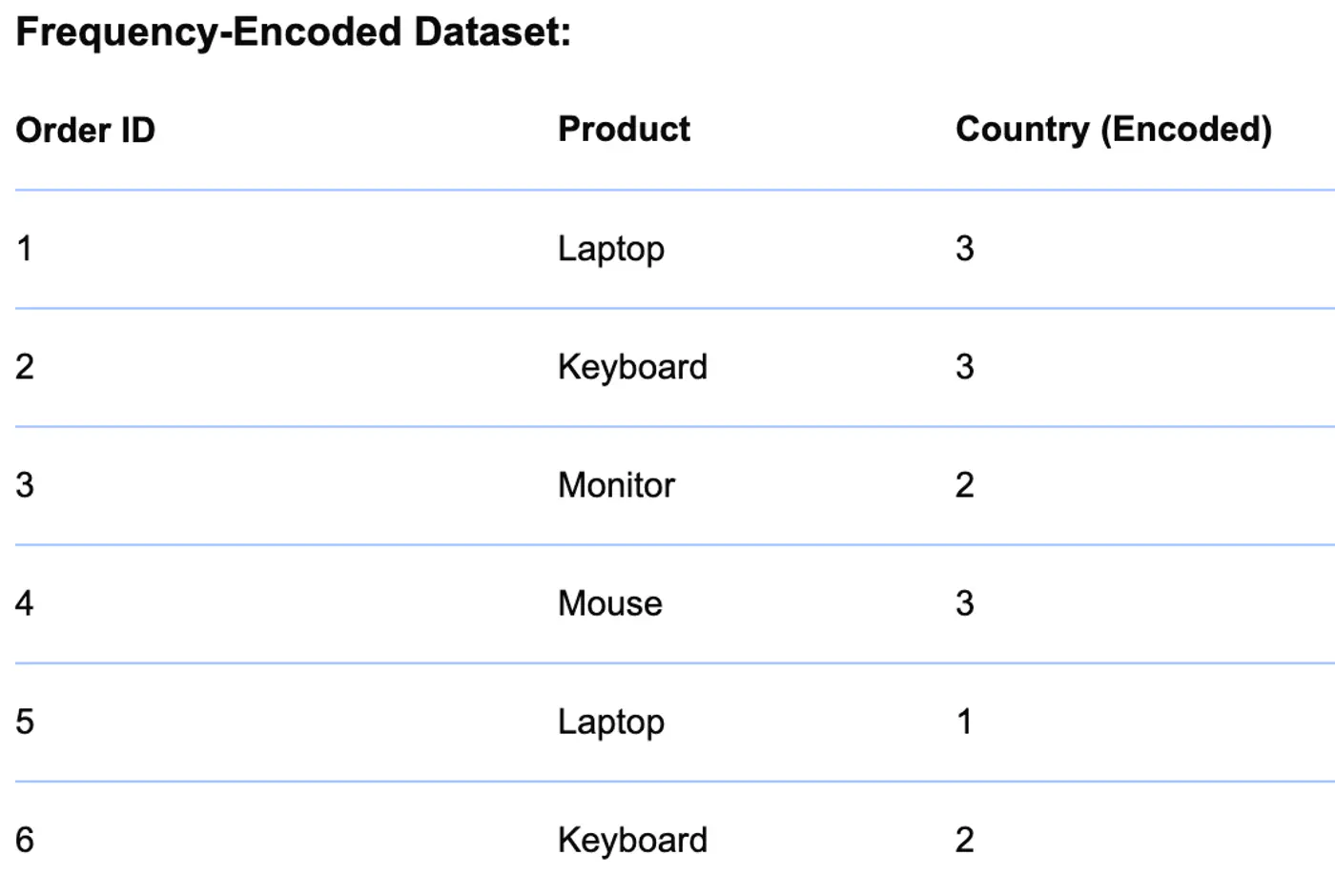
⭐️ Replace categories with their frequency or count in the dataset.
- Useful for high-cardinality features where many unique values exist.
👉 Example
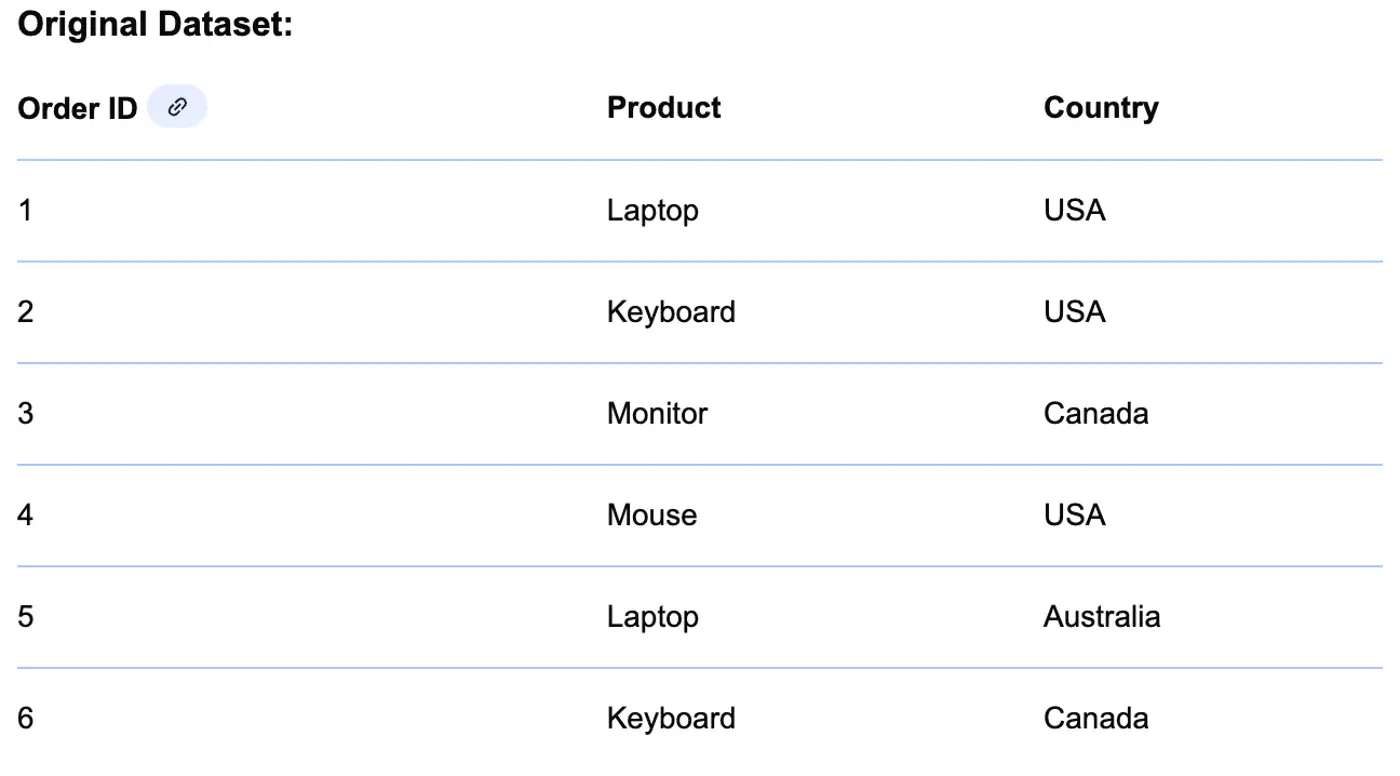
👉 Frequency of Country
👉 Country replaced with Frequency
⭐️ Replace a category with the mean of the target variable for that specific category.
- When to use ?
- For high-cardinality nominal features, where one hot encoding is inefficient, e.g., zip code, product id, etc.
- Strong correlation between the category and the target variable.
- When to avoid ?
- With small datasets, because the category averages (encodings) are based on too few samples, making them unrepresentative.
- Also, it can lead to target leakage and overfitting unless proper smoothing or cross-validation techniques (like K-fold or Leave-One-Out) are used.
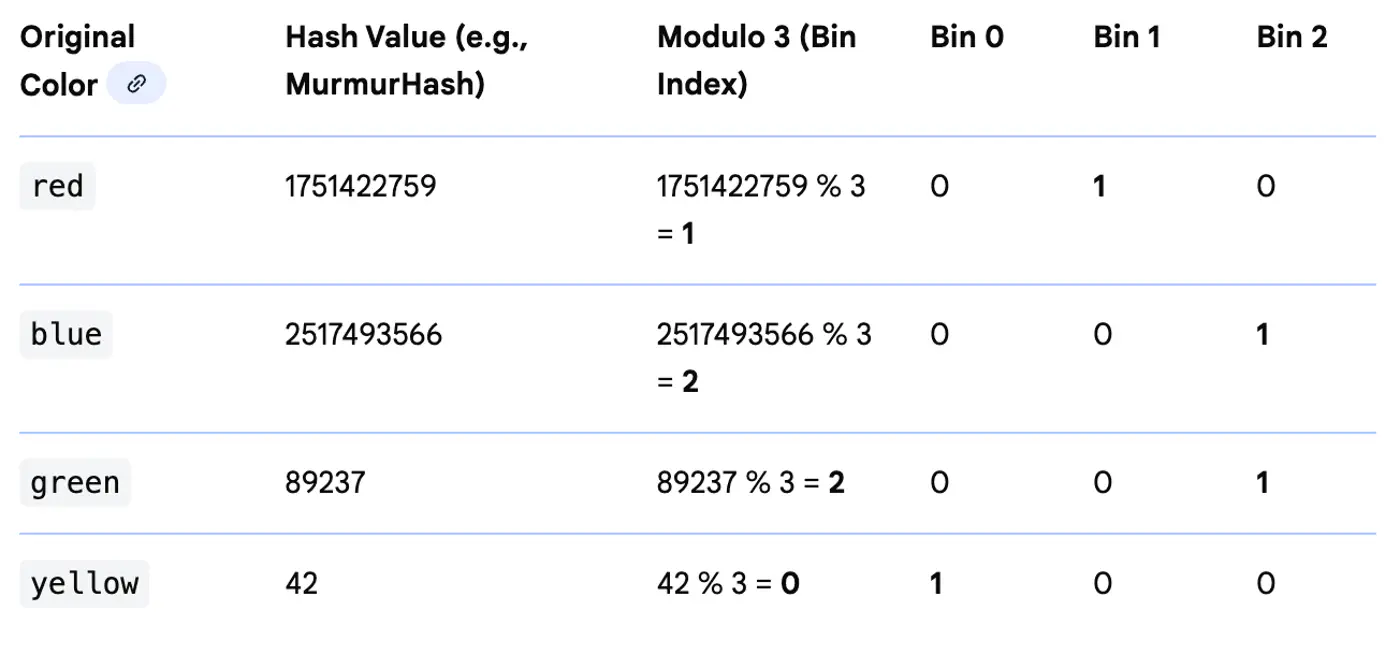
⭐️ Maps categories to a fixed number of features using a hash function.
Useful for high-cardinality features where we want to limit the dimensionality.
End of Section
3 - Feature Engineering
Create polynomial features, such as, x^2, x^3, etc., to learn non-linear relationship.
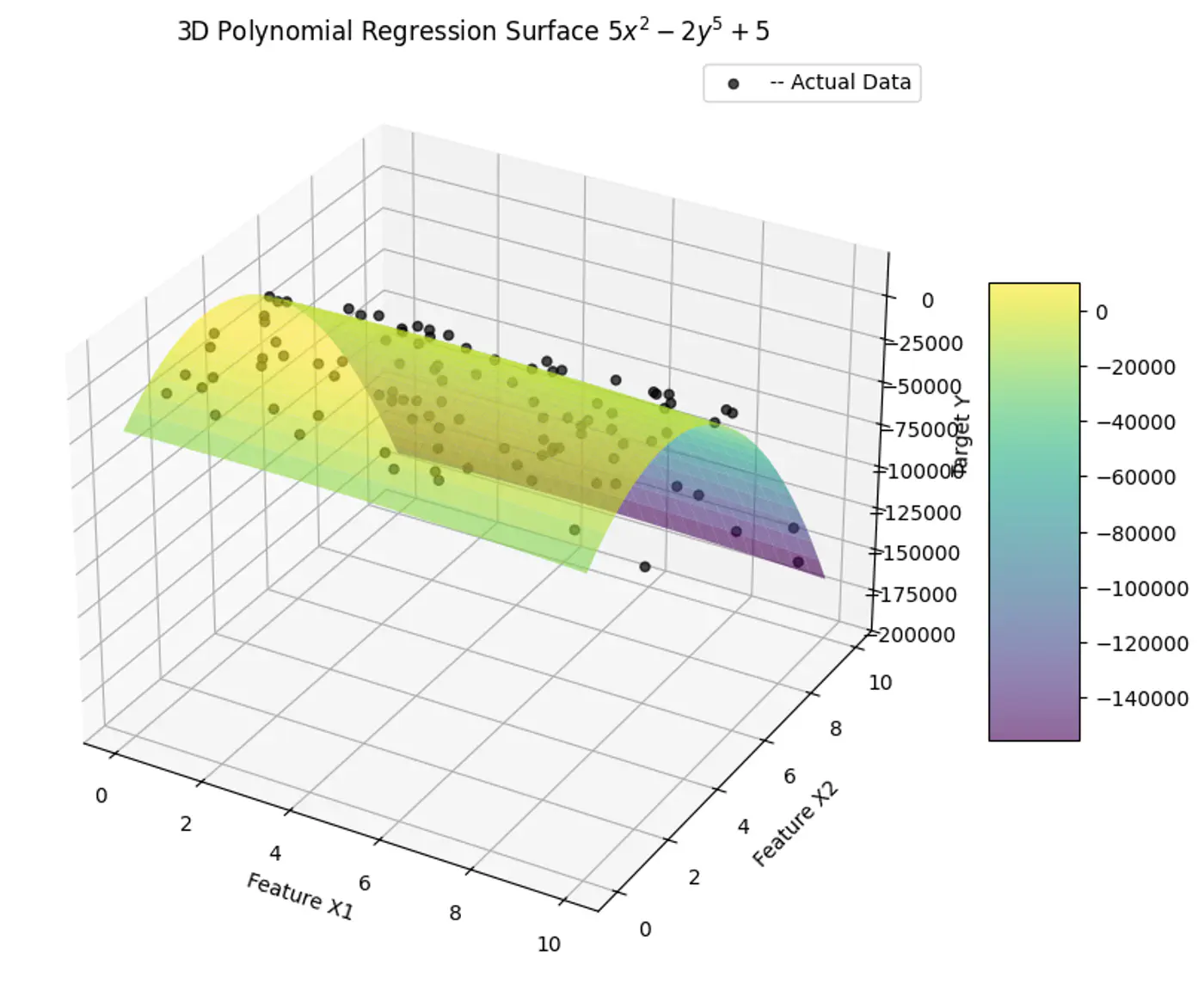
⭐️ Combine 2 or more features to capture non-linear relationship.
- e.g. combine latitude and longitude into one location feature ‘lat-long'.
⭐️ Memory-efficient 🧠 technique to convert categorical (string) data into a fixed-size numerical feature vector.
- Pros:
- Useful for high-cardinality features where we want to limit the dimensionality.
- Cons:
- Hash collisions.
- Reduced interpretability.
👉 Hash Encoding (Example)
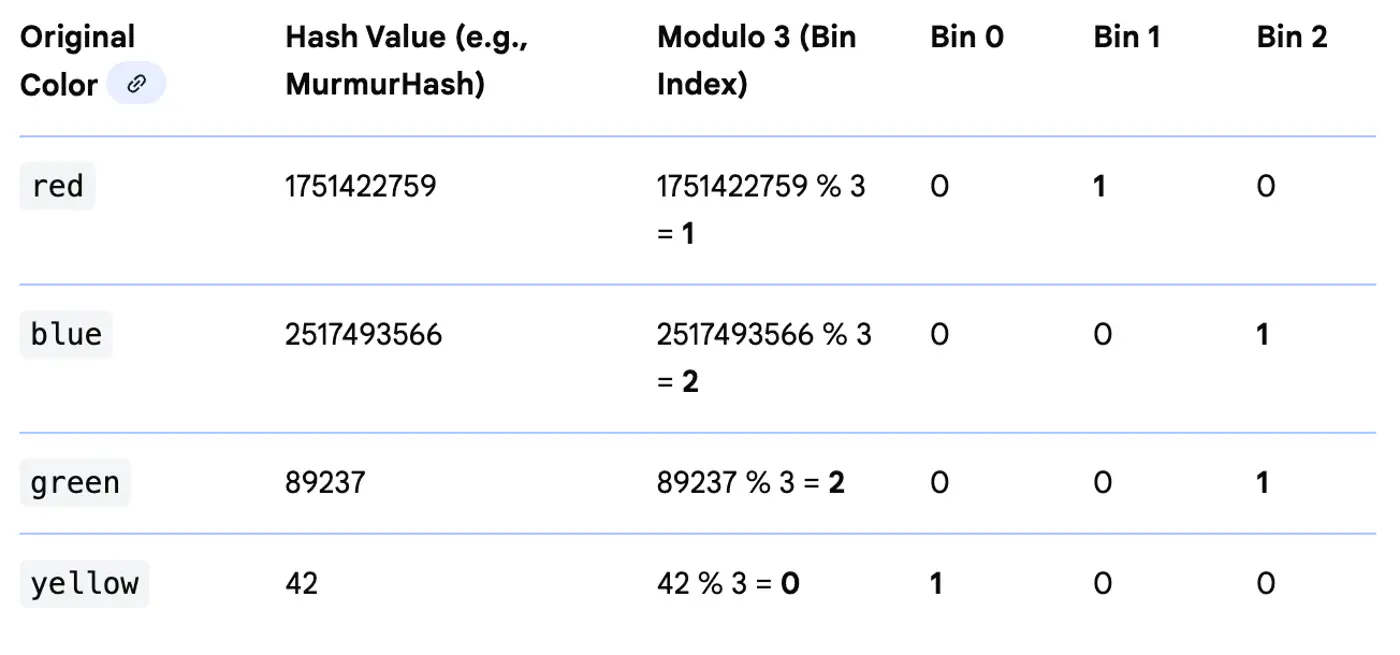
⭐️ Group continuous numerical values into discrete categories or ‘bin’.
- e.g. divide age into groups 18-24, 25-35, 35-45, 45-55, >55 years etc.
End of Section
4 - Data Leakage
⭐️ Occurs when a model is trained using data that would not be available during real-world predictions,
leading to good training performance, but poor real‑world 🌎 performance.
It is essentially the model ‘cheating’ by inadvertently accessing information about the target variable.
👉Any information from the validation/test set must NOT influence training, directly or indirectly.
❓So, how do we prevent this leakage of information or data leakage from training to validation or test set ?
- ❌ Wrong: Applying preprocessing (like global StandardScaler, Mean_Imputation, Target_Encoding etc.) on the entire dataset before splitting.
- ✅ Right: Compute mean, variance, etc. only on the training data and use the same for validation and test data.
Preventing Leakage in Cross-Validation:
- ❌ Wrong: Perform preprocessing (e.g., scaling, normalization, missing value imputation) on the entire dataset before passing it to cross_val_score.
- ✅ Right: Use sklearn.pipeline.Pipeline; Pipeline ensures that the ‘validation fold’ remains unseen until the transformation is applied using the training fold’s parameters.
This happens in Time Series ⏰ data.
- ❌ Wrong: Use standard random CV; it allows the model to ‘peek into the future’.
- ✅ Right: Use Time-Series Nested Cross-Validation (Forward Chaining) instead of random shuffling.
- ❌ Wrong: Include features that are only available after the event we are trying to predict and are proxy for the target.
- e.g. Including number_of_late_payments in a model to predict whether a person applying for a bank loan will default ?
- ✅ Right: Do not include such features during training.
Group Leakage:
- ❌ Wrong: If you have multiple rows that are correlated (same user).
- For the same patient or user, you put some rows in Train and others in Test.
- ✅ Right: Use GroupKFold to ensure all data from a specific group stays together in one fold.
End of Section
5 - Model Interpretability
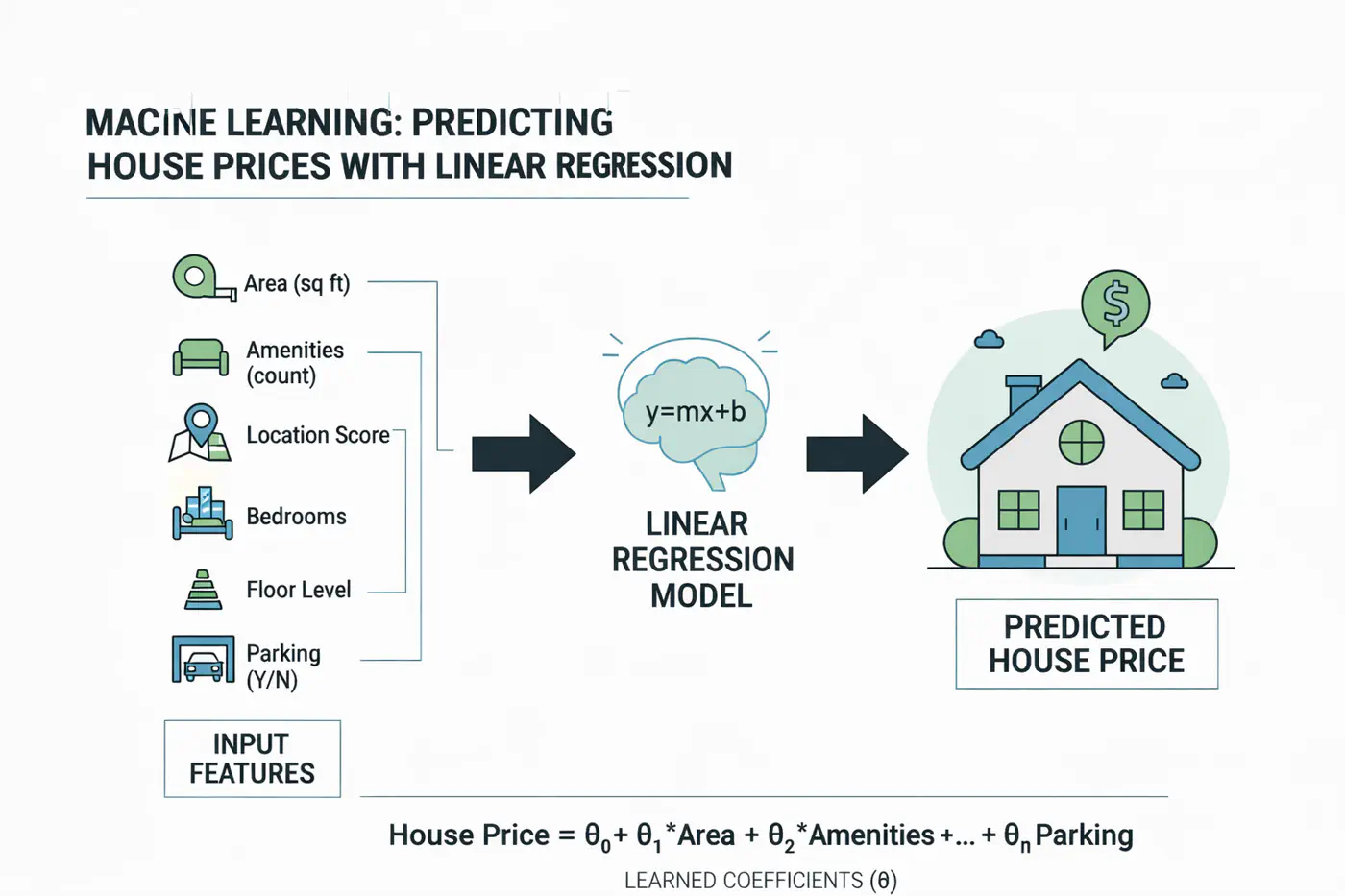
👉 Because without this capability the machine learning is like a black box to us.
👉 We should be able to answer which features had most influence on output.
⭐️ Let’s understand ‘Feature Importance’ and why the ML model output’s interpretability is important ?
Note: Weights 🏋️♀️ represent the importance of feature with standardized data.
💡 Overall model behavior + Why this prediction?
- Trust: Stakeholders must trust predictions.
- Model Debuggability: Detect leakage, spurious correlations.
- Feature engineering: Feedback loop.
- Regulatory compliance: Data privacy, GDPR.
⭐️ Stakeholders Must Trust Predictions.
- Users, executives, and clients are more likely to trust and adopt an AI system if they understand its reasoning.
- This transparency is fundamental, especially in high-stakes applications like healthcare, finance, or law, where decisions can have a significant impact.
⭐️ In many industries, regulations mandate the ability to explain decisions made by automated systems.
- For instance, the General Data Protection Regulation (GDPR) in Europe includes a “right to explanation” for individuals affected by algorithmic decisions.
- Interpretability ensures that organizations can meet these legal and ethical requirements.
End of Section